Gear · Feb 3 · 4 min read
Anatomy of the Web Belt
Compass, canteen, maps, canvas. How a strip of webbing carried a platoon — piece by piece.
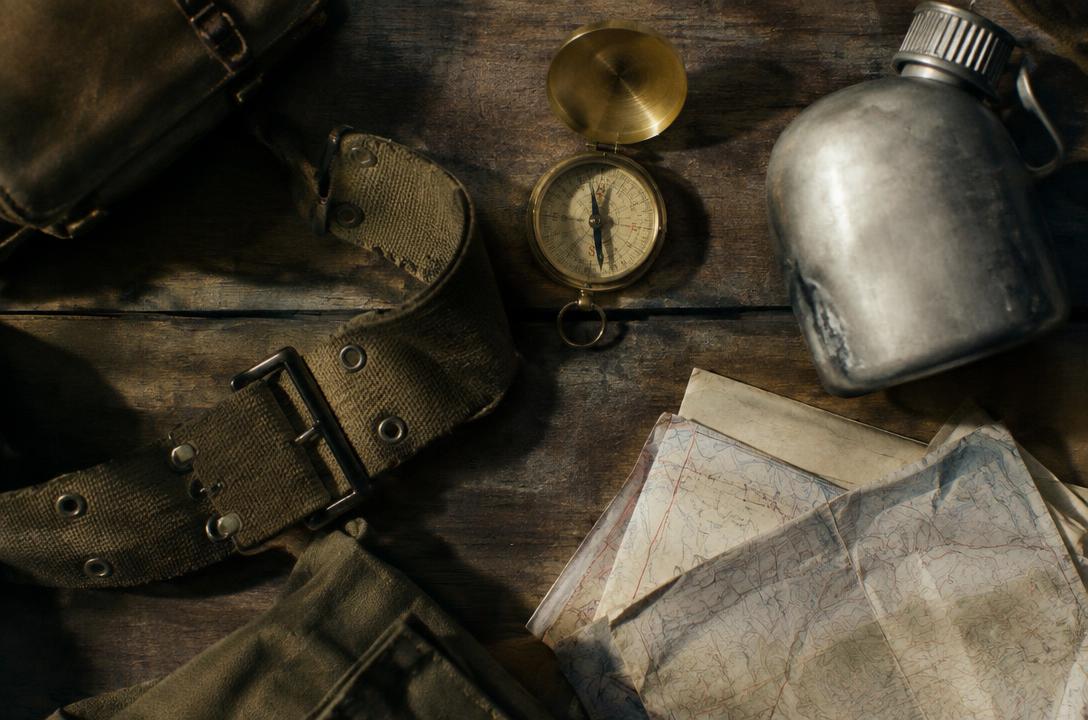
Lay a soldier's belt kit out on a table and you're looking at the most practical philosophy the army ever produced: everything needed to stay alive for a day, hung on two inches of woven cotton.
The canvas itself
Webbing — tightly woven cotton or later nylon — was a quiet revolution. It was light, it dried, it didn't rot as fast as leather, and it was cheap enough to issue to everyone. The same weave carried ammunition pouches, water bottles, entrenching tools, and first-field dressings across most of a century.
What hung from it
The classic layout barely changed for decades: ammunition pouches at the front where the hands fall naturally, the canteen at the back of the hip, a bayonet frog on the weak side, and the mess tin strapped behind the pack. A compass on a lanyard, a map case at the chest, a whistle on the shoulder — every placement a lesson somebody learned the hard way.
A soldier's belt is a checklist. You can read their trade in what hangs where.
Why it lasted
Modern load-bearing vests and plate carriers have replaced the web belt in most forces, but the logic is identical: distribute the weight, standardize the pouches, keep the critical items within one hand's reach. The belt didn't disappear. Its idea was promoted.
If you collect kit, start here. It's affordable, endlessly varied by nation and era, and every piece tells you exactly what the man carrying it was expected to do that day.
Filed by the readers of The Muster · Fan content, not an official source