Units · Jan 28 · 9 min read
The Ghost Company
A unit that left almost no record. What one truck, one photo, and nine names can still tell us.
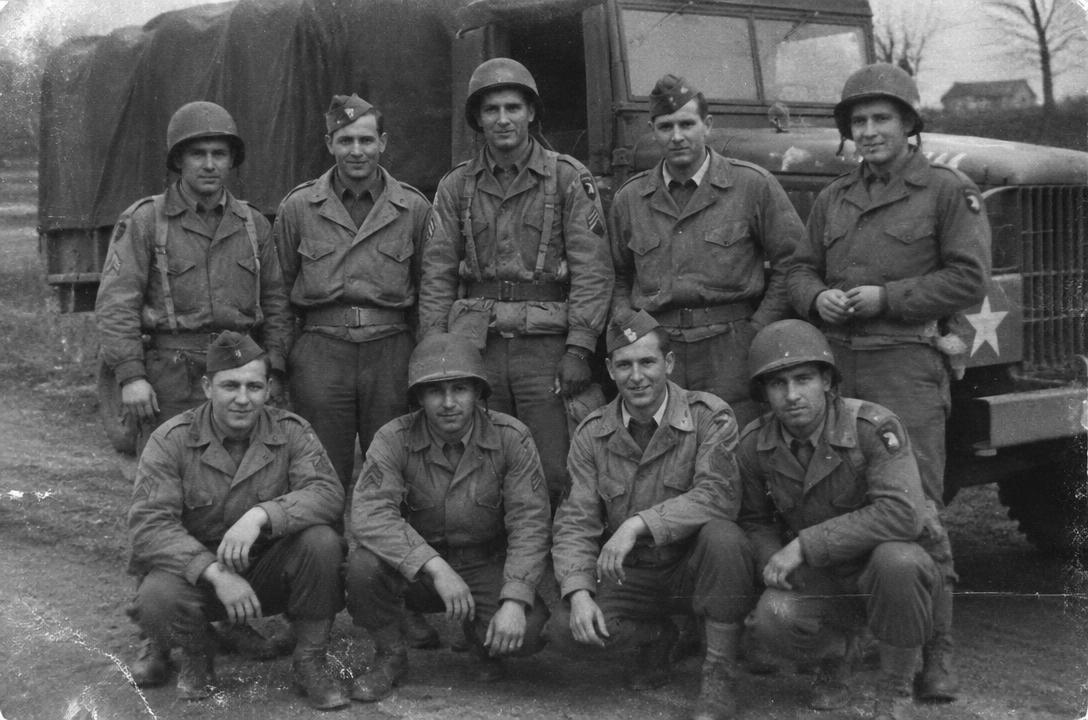
Some units are famous because of what they did. Others are famous because almost nothing about them survived. This photograph is the entire paper trail: nine men, one truck with a star on the grille, and a lot of weather.
What the picture gives up
Unit photos are documents. The rank chevrons place roughly the hierarchy. The truck's markings narrow down the formation. Uniform details — collar style, boot type, the cut of the greatcoats — date the picture within a year or two. Nine faces, and every one of them looking at a camera held by someone they trusted enough to stand still for.
How the record disappears
Companies were renamed, merged, and disbanded constantly. Paper followed the war: burned in retreats, lost in transfers, boxed into archives that nobody indexed. A unit that existed for two quiet years in a supply role can vanish from the written record completely — while the families of the men in it kept the one photo for three generations.
Official history is written in reports. Real history survives in shoeboxes.
How to research a ghost unit
Start with what the families have: photos, letters, pay books. Then go lateral — regimental associations, local newspapers from the posting towns, and neighboring units' records, which often mention support companies in passing. Enlistment records and unit war diaries, where they survive, fill in the timeline one day at a time.
It's slow work. But this is exactly how the archive grows: not from official histories, but from one photograph at a time, carried out of a shoebox and into the light.
Filed by the readers of The Muster · Fan content, not an official source